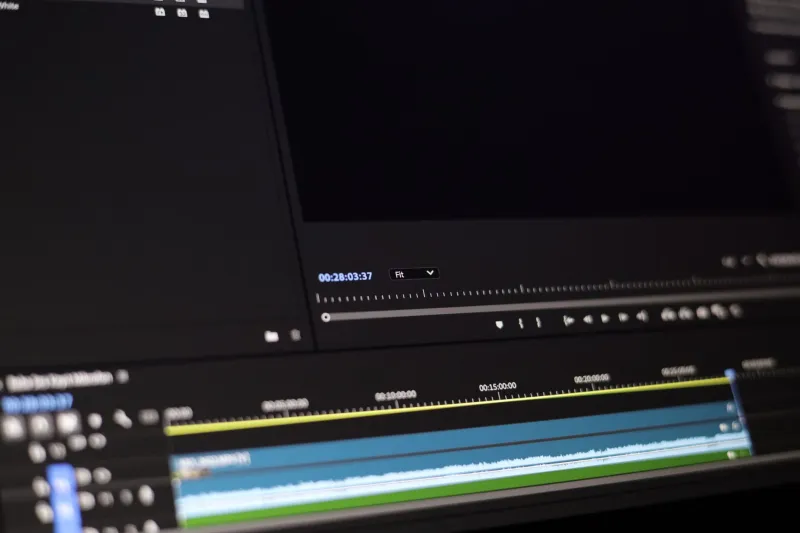
Old Footage, New Eyes: The Strange Territory of Returning to Work You Already Finished
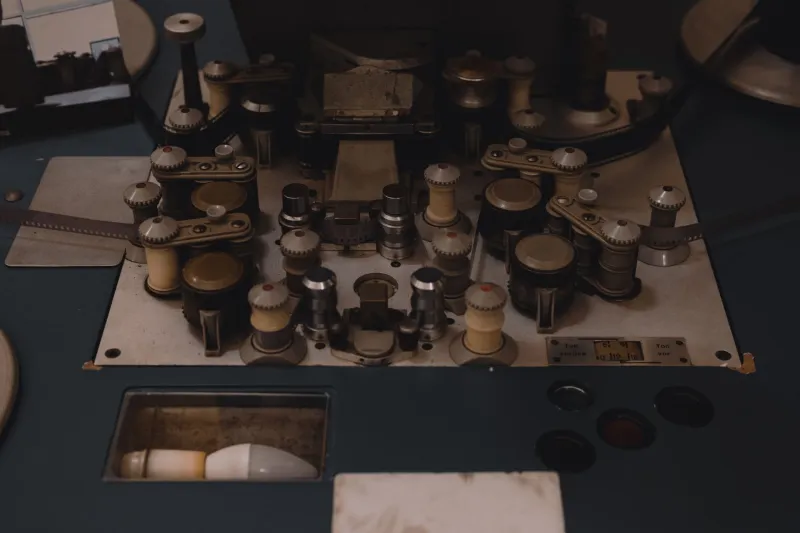
There is a particular kind of vertigo that arrives when a filmmaker watches something they made five years ago. The footage is familiar in the way a photograph from childhood is familiar—you recognize the subject, you remember the moment, but you cannot quite locate the person who stood behind the camera. The choices feel simultaneously yours and foreign. The cuts, the framings, the tonal decisions: all of them made sense once, and some of them still do, and the gap between those two categories is where things get complicated.
The impulse to revisit is not inherently suspect. It can be an act of genuine inquiry, a desire to understand how one's sensibility has shifted and what that shift reveals about the work still ahead. But it can also be something less productive—a form of creative restlessness that masquerades as discernment while quietly preventing forward motion.
Distinguishing between the two is one of the more demanding skills a filmmaker can develop.
What Five Years Actually Changes
The filmmaker who made a project half a decade ago was operating from a specific set of assumptions, constraints, and instincts. Some of those elements were conscious. Most were not. The lens choices, the color palette, the rhythm of the edit—these emerged from a version of you that had absorbed certain influences, developed certain habits, and had not yet encountered the experiences that would later reshape your eye.
When you return to that work now, you bring all of the accumulated weight of the intervening years. You have made other things. You have failed at some of them. You have collaborated with people who pushed your thinking in directions you did not expect. You have watched films that permanently altered what you believe cinema can do. Of course the old work looks different. It would be alarming if it did not.
The critical question is whether what you are seeing constitutes a genuine flaw—something that undermines the work's ability to communicate what it was trying to say—or whether you are simply witnessing evidence that you have grown. These are not the same thing, and conflating them leads to a particular kind of creative mischief.
The Trap of the Retrospective Fix
George Lucas spent years revisiting the original Star Wars trilogy, and the response from audiences who had grown up with those films was instructive. The revisions were technically accomplished. They reflected the filmmaker's evolved preferences. And they generated a kind of cultural grief that no one entirely anticipated, because the original films had not merely been entertainment—they had been artifacts of a specific moment, carrying the texture of their own limitations as part of their meaning.
This is not an argument against revision. It is an argument for understanding what you are actually revising when you return to old work. A film is not merely a set of aesthetic choices waiting to be perfected. It is also a record of where you were, what you could see, and what tools you had available. That record has its own integrity, separate from whether the film is technically optimal.
When a filmmaker re-edits an old project, they are not improving a single object. They are creating a second object while partially erasing the first. Whether that trade is worthwhile depends entirely on what the work is meant to do and for whom it is meant to exist.
When Returning Is Legitimate
There are circumstances in which revisiting earlier work serves a genuine purpose. A filmmaker who has discovered that a specific scene misrepresents something important—factually, ethically, or in terms of the film's central argument—has a legitimate reason to address it. A project that was released in an incomplete form due to deadline pressure, not creative resolution, may genuinely benefit from the attention it was originally denied.
The distinguishing factor is whether the revision addresses something the original work was actually trying to do but failed to accomplish, or whether it simply replaces the original work's intentions with new ones. The former is restoration. The latter is, in effect, a different film wearing the same title.
Filmmakers who are honest with themselves about this distinction tend to approach old work with a different posture. Rather than asking "how would I do this now?" they ask "what was this trying to be, and does it succeed on those terms?" The answer to that question sometimes yields a real case for intervention. More often, it yields something more valuable: a precise understanding of how your vision has evolved and what that evolution demands of your next project.
Forward as the Primary Direction
The most compelling reason to be cautious about extensive revision of old work is not sentimental. It is practical. Every hour spent reconsidering a finished film is an hour not spent developing what comes next. And what comes next is, almost always, where your current sensibility can do the most good.
The filmmaker you are today cannot be fully expressed through the architecture of a project conceived by the filmmaker you were. The structure, the premise, the essential DNA of that earlier work was built around a different version of your instincts. You can modify the surface, but you cannot fundamentally renovate the foundation without simply building a new house.
The more productive response to the gap between old work and current vision is to let that gap become generative. Document what you notice. Track the specific places where your eye rebels against what it sees. That inventory is not a renovation plan—it is a creative brief for the work ahead.
The Archive as Teacher, Not Canvas
Old footage has something to offer that no amount of revision can replicate: an honest record of your development. When you watch a film you made five years ago and feel the distance between your current eye and the choices on screen, you are receiving information about how far you have traveled and in which direction.
That information is most useful when it remains legible. A filmmaker who continually updates old work to match current standards eventually loses the ability to read their own trajectory. The archive becomes a curated self-portrait rather than an honest one, and the lessons embedded in the original limitations disappear along with the limitations themselves.
The work you made before you knew what you know now is not a liability. It is evidence that you have been working, learning, and changing. Treat it accordingly—not as raw material for improvement, but as a record worth preserving, even in its imperfection, precisely because that imperfection tells the truth.